
Last verified: August 19, 2026
The law sets a standard, not a schedule
NYC Admin Code § 16-118(2)(a) requires the sidewalk to be kept clean at all times — it doesn't specify “once a week” or “daily.” DSNY enforces this by inspecting during fixed windows and issuing a violation if the sidewalk is dirty at the moment of inspection, regardless of how recently it was cleaned. In practice, the right cleaning cadence for your building depends on how fast your frontage gets dirty again between inspections — which varies by property type, foot traffic, and season.
Enforcement windows by property type (this sets your minimum bar)
- Residential: DSNY can only ticket dirty residential sidewalks 8:00–9:00 AM and 6:00–7:00 PM, seven days a week.
- Commercial: two 1-hour windows per day, timing depends on your DSNY routing section.
- Mixed-use: commercial hours apply while the ground-floor business is open; residential hours apply if it's vacant or permanently closed.
Because enforcement is windowed, not continuous, a sidewalk that gets dirty right after the morning inspection and stays that way until evening is still a real liability — it just won't get caught until the next window. That's the gap a scheduled cleaning cadence is designed to close.
What actually drives how often you need to clean
Foot traffic. High-traffic retail corridors, building entrances near transit, and ground-floor commercial storefronts accumulate litter, food waste, and grime far faster than a low-traffic residential stretch.
Property type. Multi-unit residential buildings with active superintendents can sometimes self-manage between visits; commercial/mixed-use buildings — especially ones without on-site porter staff — see cleanliness lapse fastest.
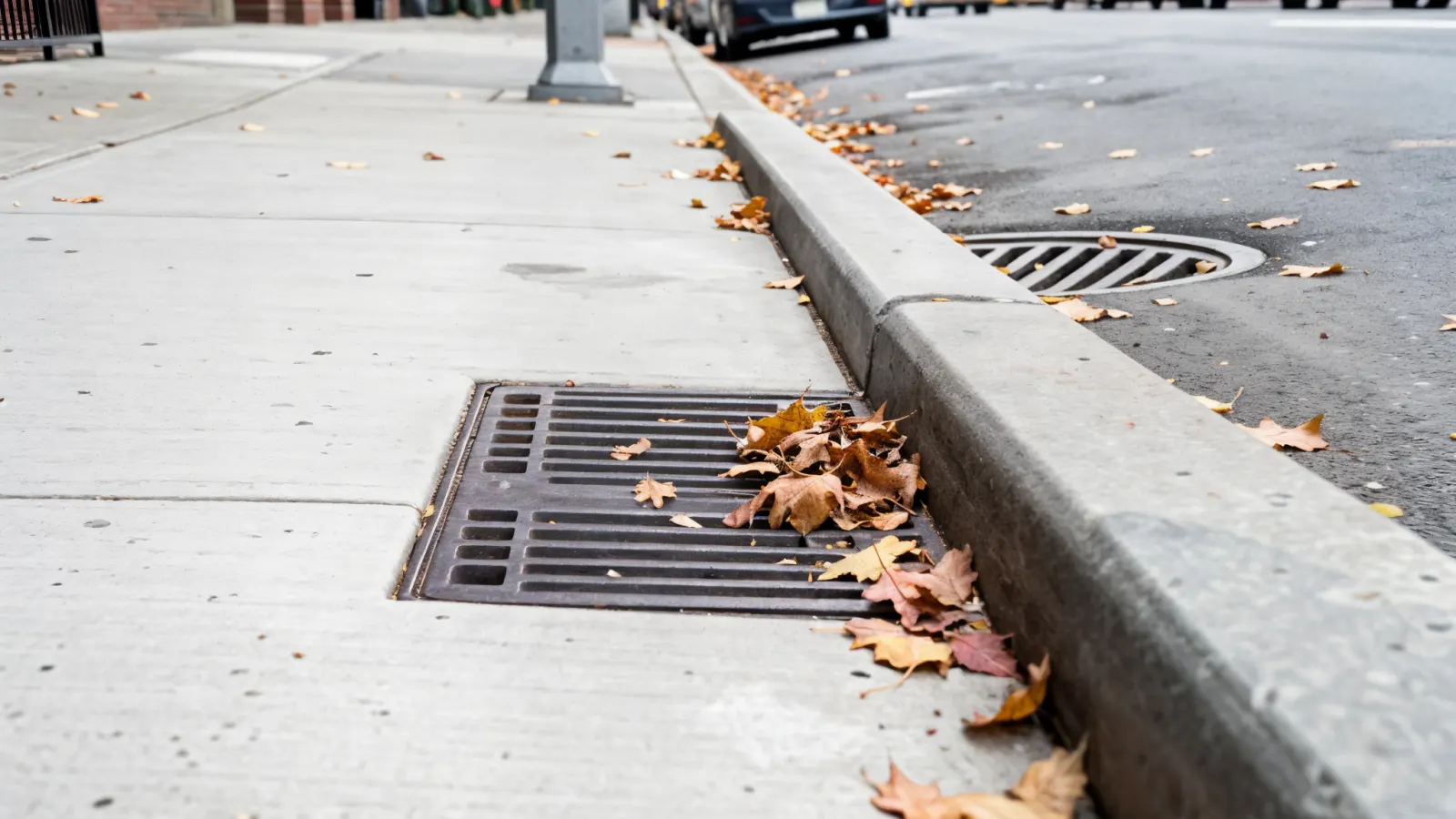
Season. Winter brings snow/ice/salt residue and a separate legal duty (§ 16-123, 4-hour removal window). Fall brings leaf litter from street trees — still your responsibility to clear. Construction dust/debris season adds a third seasonal factor regardless of fault.
A simple way to think about cadence
| Property profile | Realistic risk without a schedule |
|---|---|
| High foot-traffic retail / storefront | Dirty well within a single business day |
| Multi-unit residential, active porter | Manageable with staff attention, but gaps happen on staff days off |
| Multi-unit residential, no dedicated porter | Highest exposure — no one checking between DSNY's two daily windows |
| Mixed-use with ground-floor retail | Commercial-hours enforcement (tighter windows) + retail-level foot traffic |
Frequently asked questions
Does NYC require sidewalk cleaning on a specific schedule (e.g. weekly)?
No — the law requires the sidewalk to be clean whenever DSNY inspects during its enforcement windows. There's no fixed weekly/monthly mandate; the practical cadence you need depends on how fast your specific property gets dirty again.
Is snow removal the same requirement as sidewalk cleaning?
No, they're two separate provisions. Routine cleanliness is § 16-118(2)(a); snow and ice removal is § 16-123, with its own 4-hour-after-snowfall-ends deadline.
Am I responsible for leaf litter from a City-owned street tree?
The litter comes from a City tree, but the duty to keep your abutting sidewalk clean under § 16-118(2)(a) still applies regardless of where the debris originated.
How do I know my property's exact commercial enforcement window?
Look up your address's specific routing time via 311 or the NYC311 commercial routing-time lookup tool — it varies by DSNY section, not citywide.